


Happy first day of February. I hope you all had a lovely January. I’ve been quiet over the last couple of months, but the study trimester wrapped up this week and I finally have space to breathe again. So, it’s straight back to reading, writing and research.
One of my reading goals in 2025 was to read more widely and I have carried this goal into 2026. For many years, I mostly read non-fiction books about the Tudors or medieval history. I’m still reading these books - just not as many. This month, there isn’t a single book that I would have traditionally picked up. Nevertheless, I really enjoyed this month’s reading journey.
I would love to know what you are reading at the moment - both to inspire myself and others. For years, most of the books in my collection have come from recommendations on podcasts, social media and blogs. So please do share what you have been reading and if you have any recommendations.
Here are my reads:
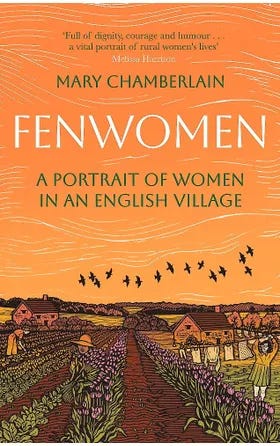
Fenwomen: A Portrait of Women in an English Village by Mary Chamberlain
This beautiful 50th anniversary edition is a piece of oral history. In the 1970s, Mary Chamberlain interviewed women of all ages from the village of Isleham in the Cambridgeshire Fens. In doing so, she captured the voices of women who might otherwise have been lost. She spoke with women born in the nineteenth century and children born in the late 1960s. In so many ways, Fenwomen demonstrates how dramatically women’s lived experiences have changed; in others, they remain the same.
As part of this anniversary edition, the author has added an updated afterword. Here, Chamberlain reflects on her return to the village, her experiences, the practice of oral history, and how the book was received by the villagers. This is a beautiful addition to the book that captures the complexities of oral history.
In 2023, during our extended UK history adventures, we spent a month living in the East Anglian village of Somerleyton. The descriptions of village life in Fenwomen reminded me so much of Somerleyton. I could easily sense the isolation and the impact of change on a small village.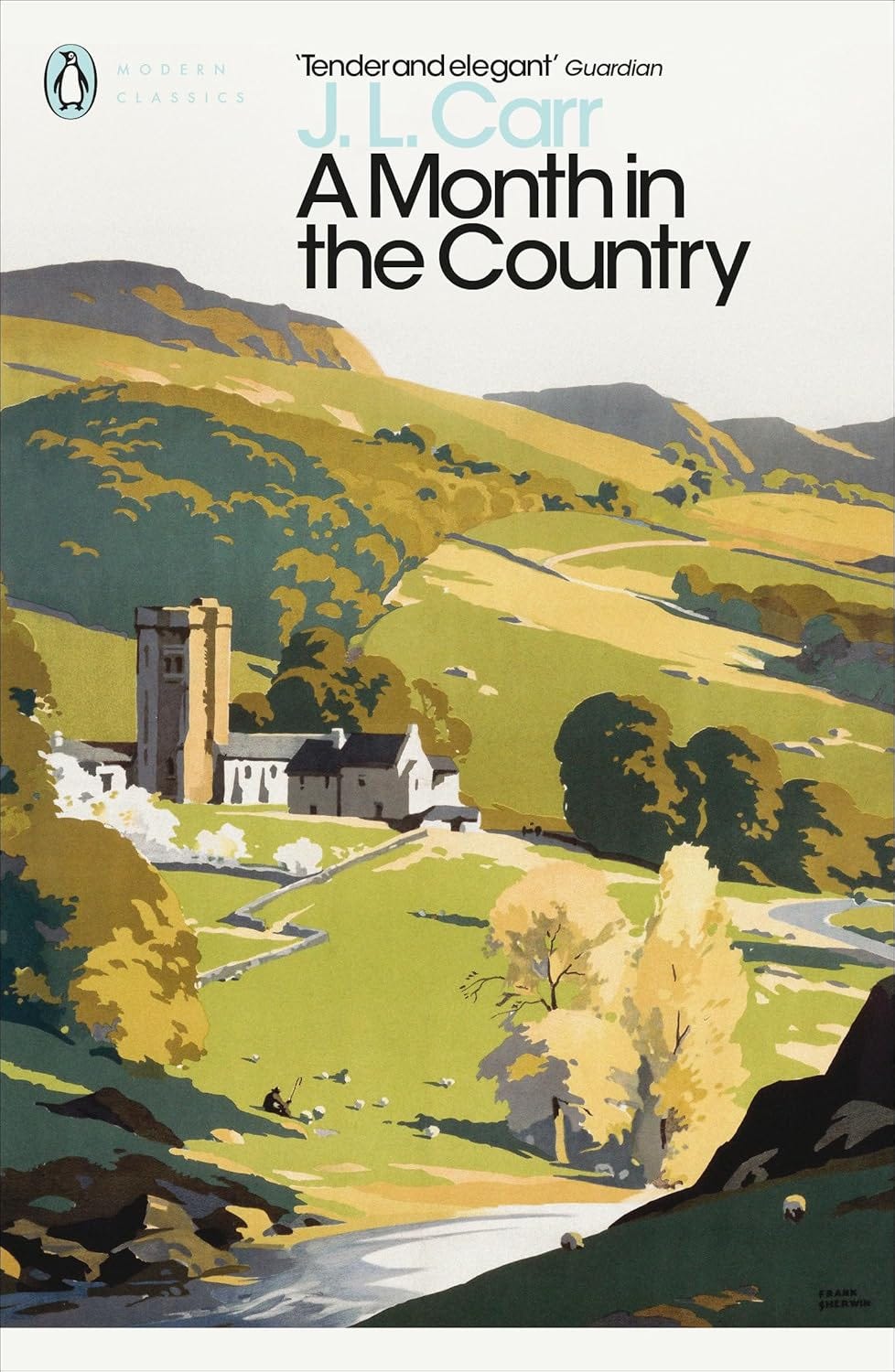
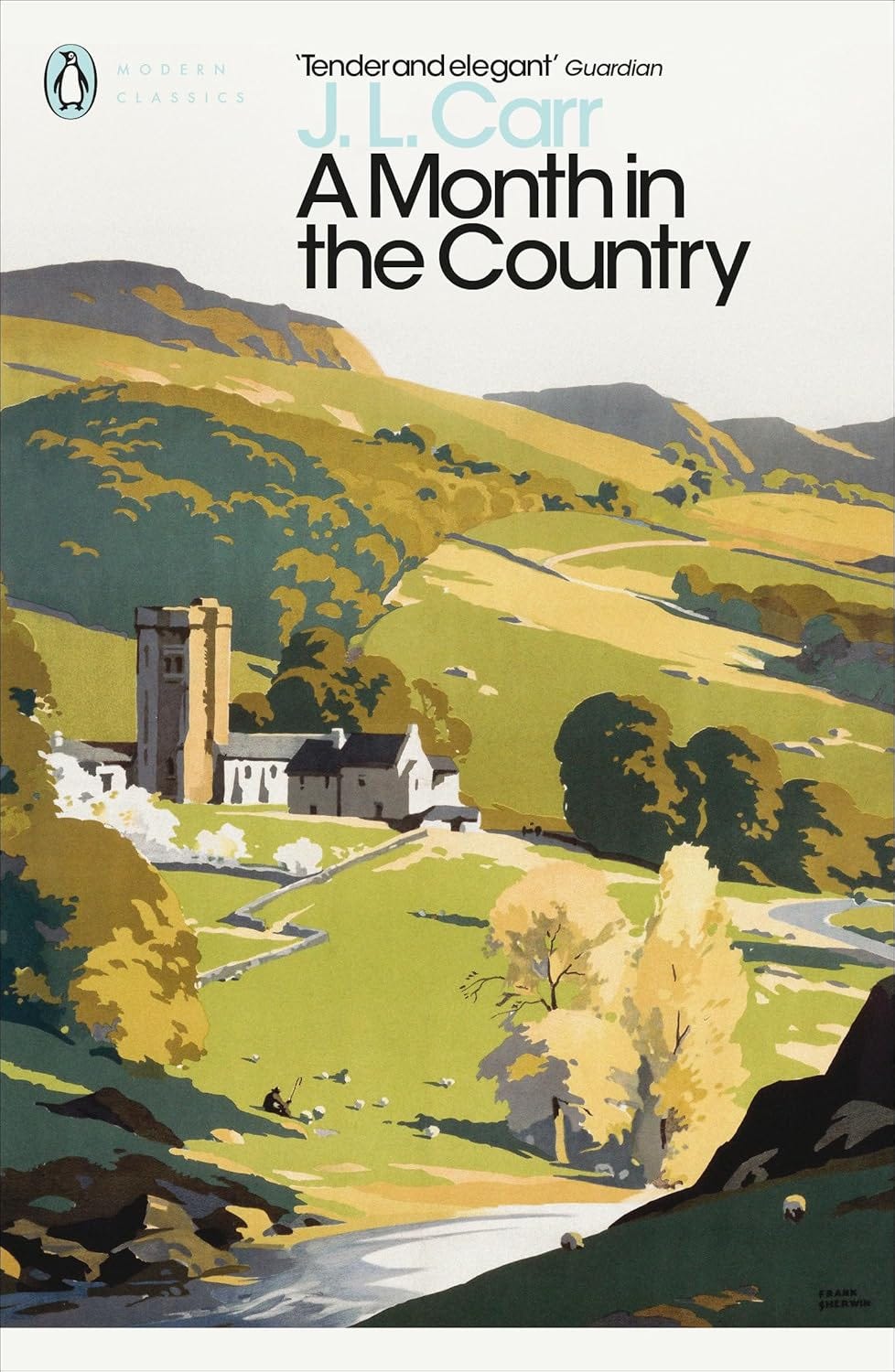
A Month in the Country by J. L. Carr
Continuing with the theme of life in an English village, my second read is J. L. Carr’s classic novel, A Month in the Country. Tom Birkin is a survivor of the First World War who travels to the small village of Oxgodby, where his task over the next month is to uncover a medieval wall painting in the village church.
A Month in the Country is a story of recovery - about how a place can seem untouched by time through memory, and about the power of going slow and appreciating life’s seemingly small moments.“You’ll find that, once you’ve dragged yourself off round the corner, there’ll be another view; it may even be a better one.” - J. L. Carr, A Month in the Country, p. 92
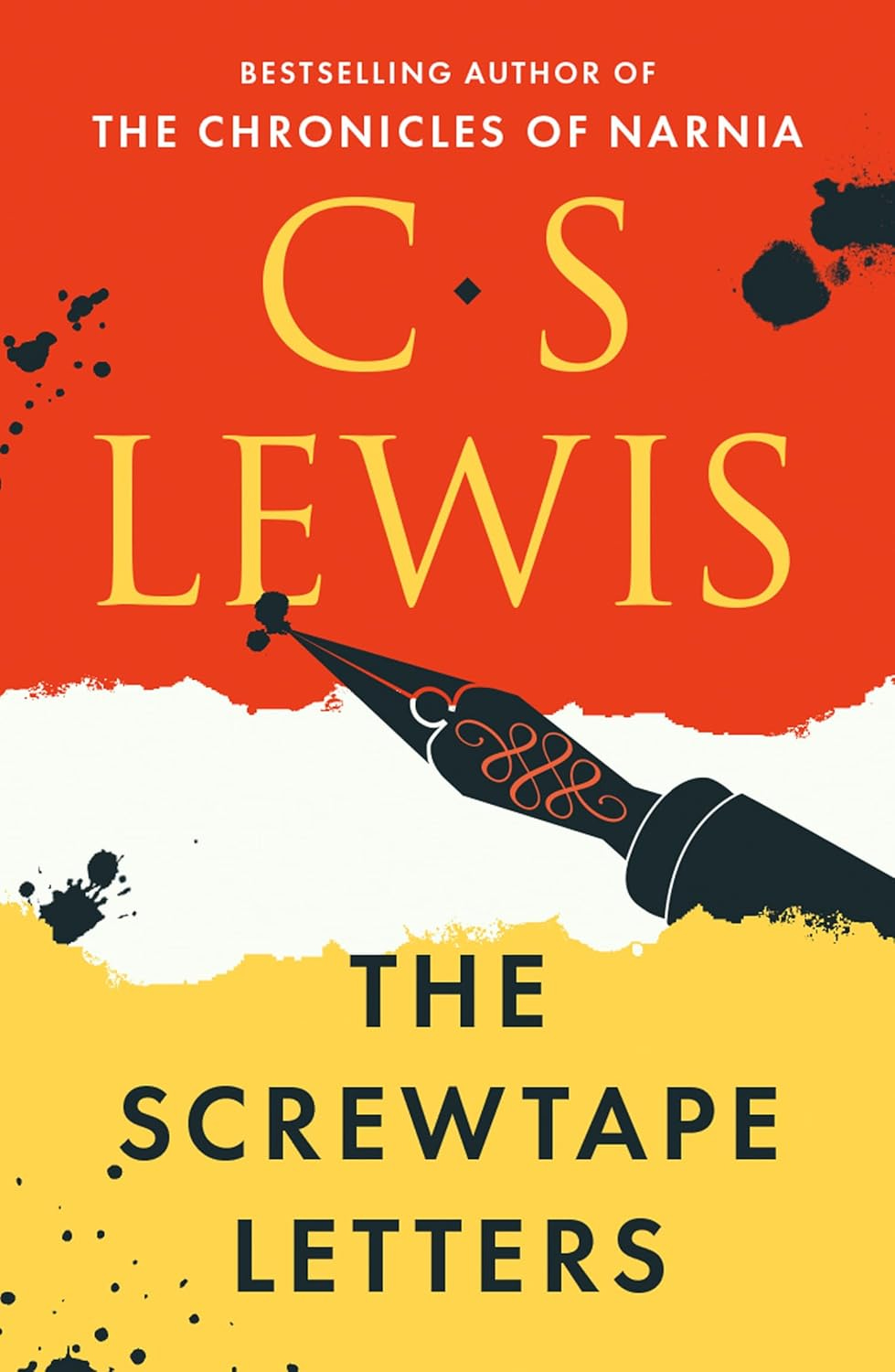
The Screwtape Letters by C. S. Lewis
Two years ago, my eldest and I read The Chronicles of Narnia. The Lion, the Witch and the Wardrobe was a favourite of mine as a child, as were the BBC adaptations from the 1980s. It was such a joy to read them again and share the magic with my child. That same year, I read a biography of Lewis. More recently, I listened to an episode from the BBC Great Lives podcast which renewed my interest in exploring some of his other works.
The Screwtape Letters is a creative piece of fiction in which the demon Screwtape writes letters to his nephew, offering advice on how best to corrupt the human soul. The letters include fascinating and humorous observations of human character.
I found it to be a quick yet thoroughly enjoyable read.
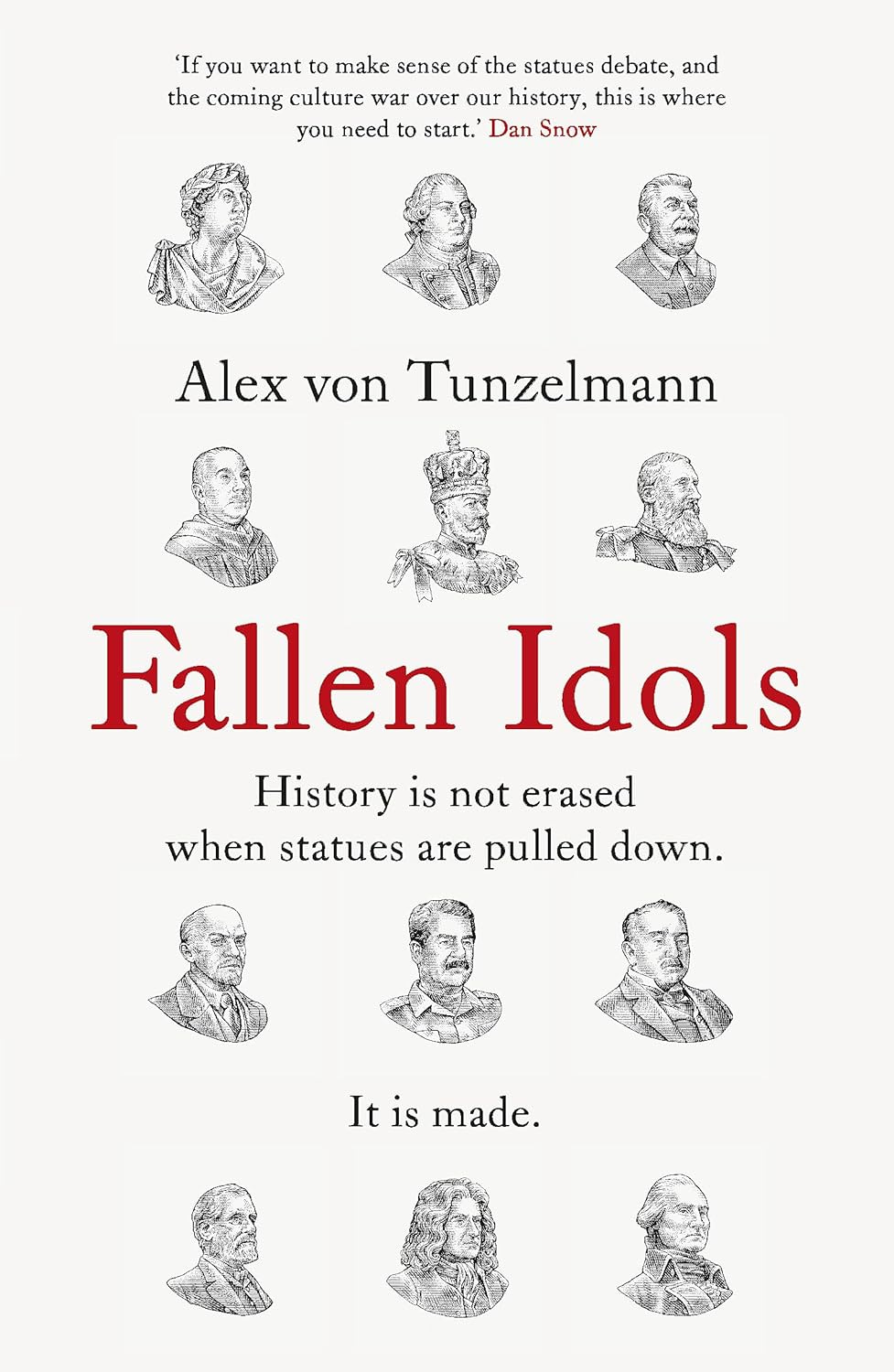
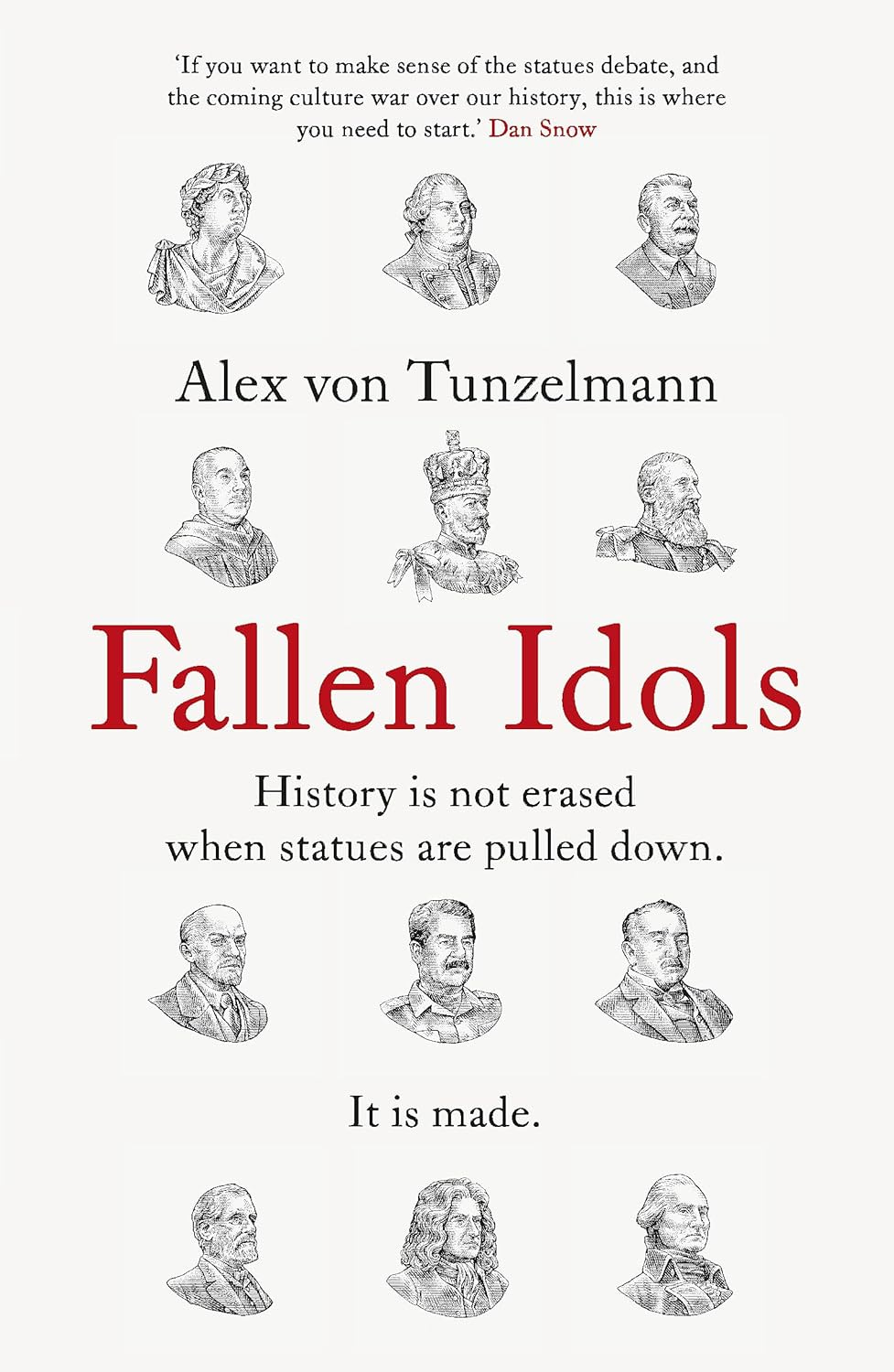
Fallen Idols by Alex von Tunzelmann
This was my favourite read of the month. I have often seen this book in stores - I would pick it up, have a quick glance, and put it back down again, assuming it wasn’t a topic that would interest me. That changed over the last six months or so through my studies, which encouraged me to think more critically about the discipline of history and the writing of history.
Fallen Idols explores the often controversial topic of statues - who gets to decide who is immortalised in stone and marble? Who decides whether they are pulled down? Does the removal of a statue constitute the rewriting of history? Tunzelmann explores these questions through the lives of historical figures and their statues including, for example, King George III, King Leopold II, Sadaam Hussein and George Washington. It is an incredibly compelling read. I struggled to put it down.
I think Fallen Idols is an important and timely book and highly recommend it.
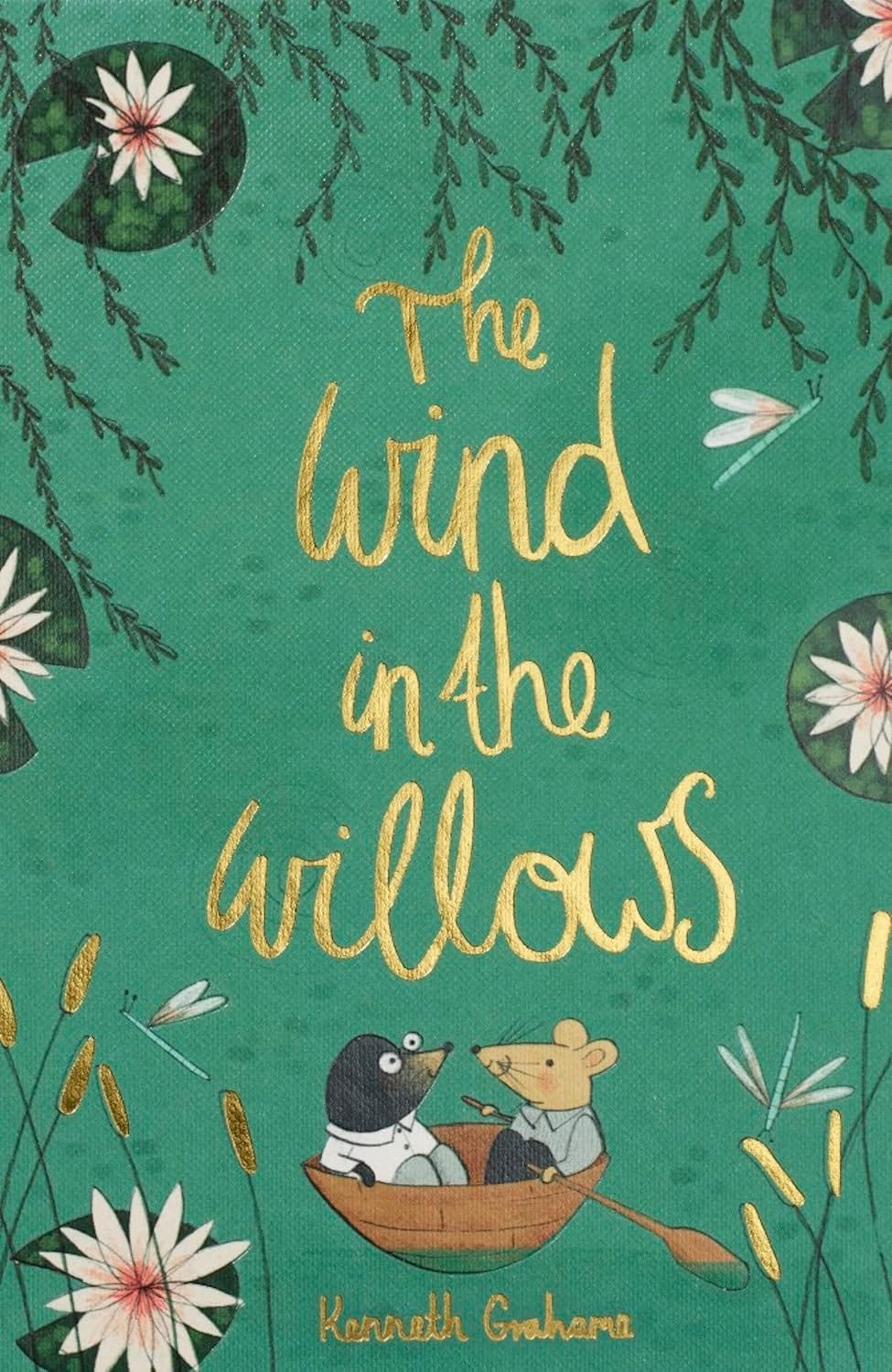
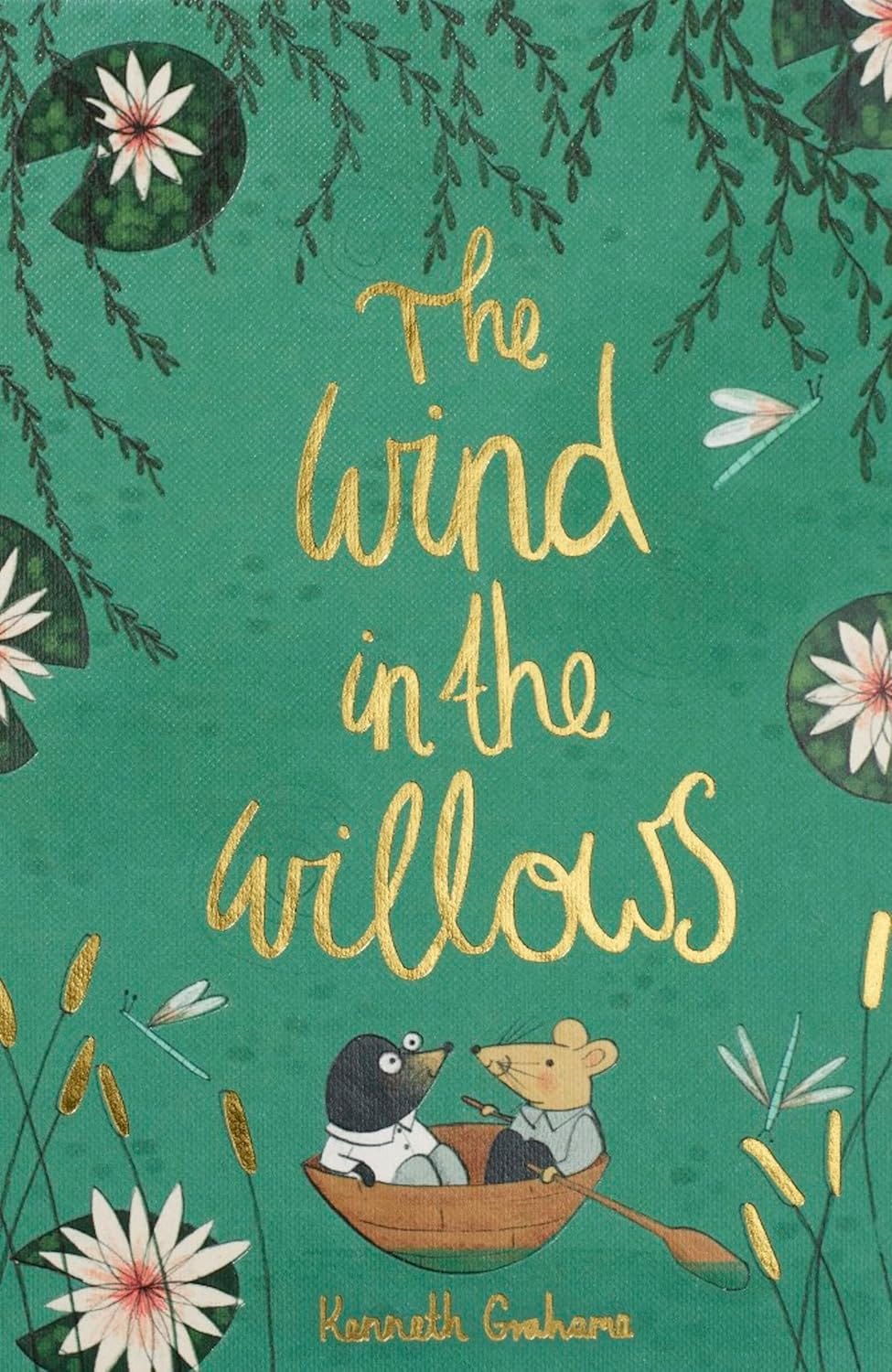
The Wind in the Willows by Kenneth Grahame
This children’s classic was our chosen read aloud this month. There are elements of it that are quite beautiful, and other’s that, to me, seemed a little nonsensical. That said, it was often stories about talking animals (hello, Narnia) that developed my love of animals as a child. To be honest though, it didn’t matter what I thought of the storyline - the fact is that the children loved it.
I would love to know what you’ve been reading - do you have any recommendations for me or fellow readers?
Wishing you all a safe and happy February.
Lucy xoxo
Love your book reviews. I've been consumed by Outlander Books 1 - 4. Just can't put them down. To lighten the read I started Persuasion.
Such a contrast.❤️