


Happy first day of March. I hope that you all had a wonderful February. This month was mostly filled with reading and writing. I enjoyed a trimester break from my MA studies so I was able to read a lot more than usual. I also finalised and submitted my journal article which is the product of my research into the court of Margaret of Austria from around 1513 to 1515. I have been regularly checking for updates and it has passed the initial editorial review and it is now being put through the double-blind peer review. I will share more about my research findings as soon as I am able.
I have had a very varied month of reading - from the ancient epic Gilgamesh, to early medieval history, classic literature and Victorian detectives .
I would love to hear what you are reading at the moment. Have there been any books that you would recommend to fellow history lovers?
Here are my reads for the month of February:
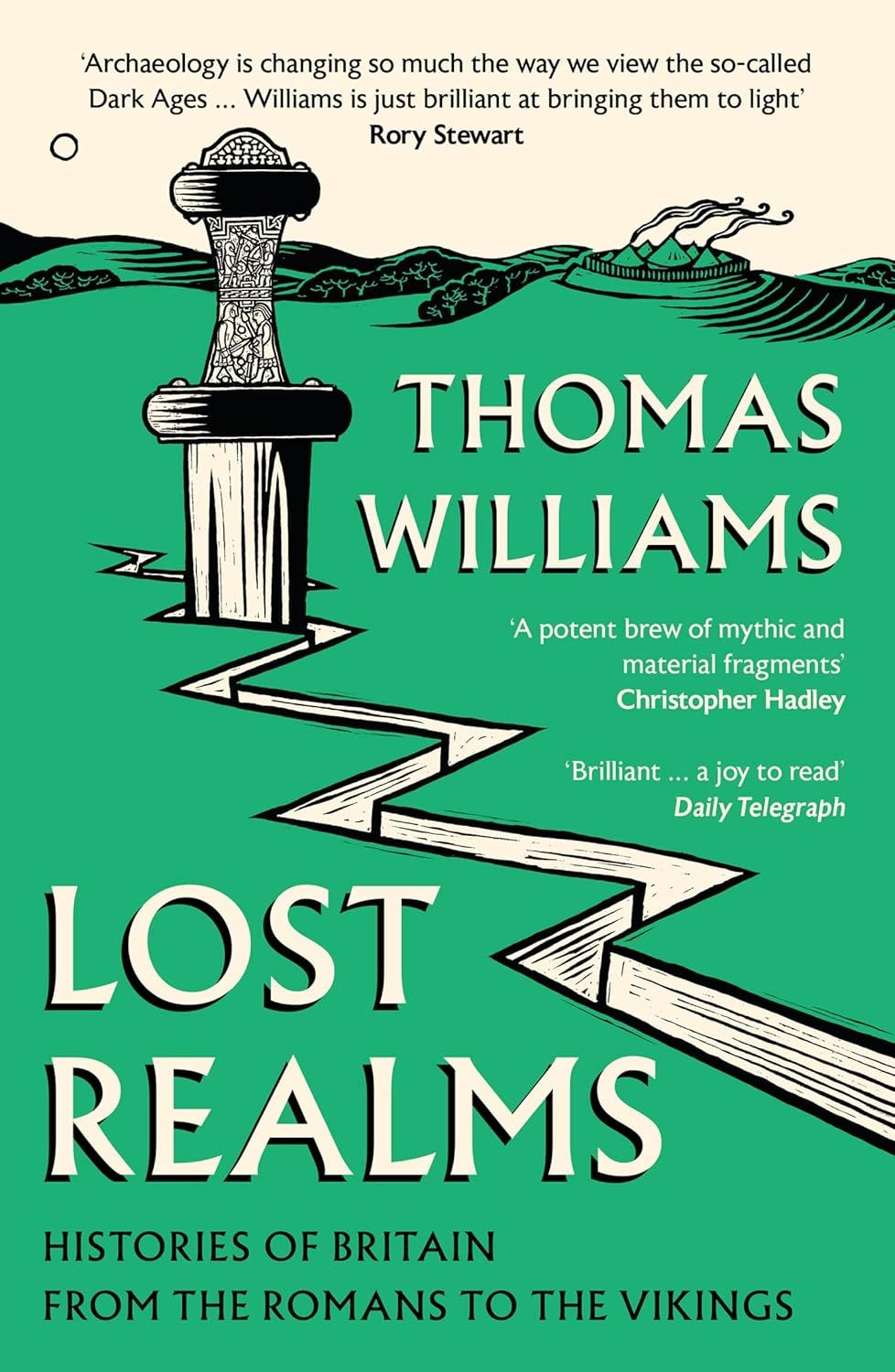
Lost Realms: Histories of Britain from the Romans to the Vikings
by Thomas Williams
I came to Lost Realms through Holly A. Brown’s Substack, Medieval Musings - It was both a highly recommended book and one that was selected for the Medieval Musings book club. My personal studies tend to focus on the late-medieval to early modern period, so it was wonderful to dive into some early-medieval material.Lost Realms is broken up into chapters that focus on each kingdom of early medieval Britain - from the end of Roman Britain to the dawn of the Viking age (c. 410-740 AD). Williams explores the rise and fall of the kingdoms of Elmet, Hwicce, Lindsey, Dumnonia, Essex, Rheged, Powys, Sussex, and Fortriu. I loved how Williams integrated the most recent research from archaeological excavations into the narrative. I also loved Williams’ evocative choice of language. For example:
“Ultimately all ghost stories end this way, disquiet giving way to pity, to grief for the dead and for our own mortality, and the knowledge that one day we too will all be dust: our voices lost out on the moor, our bodies annihilated, our names forgotten.”
Overall, I found this to be a fabulous read and one that has piqued my interest
into finding out more about the so called “dark age.”
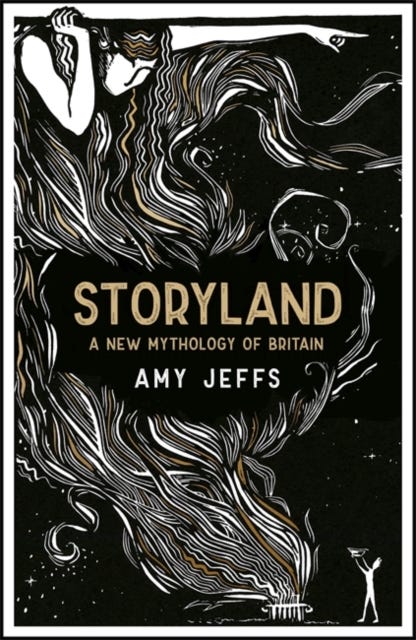
Storyland: A New Mythology of Britain
by Amy Jeffs
Similarly to Lost Realms, I came to Storyland through the Medieval Musings Substack. Again, Britain’s mythology is an area I have not ventured into. Storyland was perfect for my first venture into the topic. Often, early writing can feel a world apart, and can be difficult to find connections with. But, Jeffs’ retelling of Britain’s mythology was engaging and accessible. The stories were grouped chronologically into creation, prehistory, antiquity and the middle ages. After each story, Jeffs includes a brief explainer or shares a short tale of her own journey with it. Importantly though, these don’t detract from the book’s primary focus. Jeffs has also included numerous linocut images she created to accompany the stories which I found were a really beautiful addition to the stories.Amy Jeffs has written a number of other books including Wild: Tales from Early Medieval Britain, Saints: A New Legendary of Heroes, Humans and Magic, and being released later this year, Arthur: A New Life. All of these titles I have immediately added to my wish list.
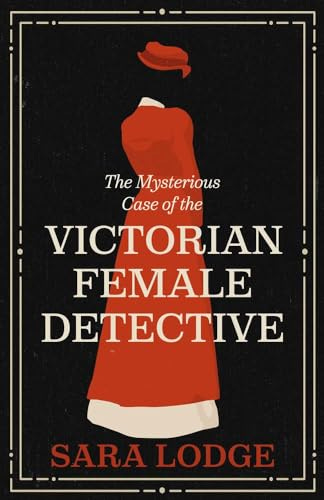
The Mysterious Case of the Victorian Female Detective
By Sara Lodge
While female detectives do pop up in historical fiction novels or on the screen, I had never considered the fact that these depictions might have actually been based on real women. The Mysterious Case of the Victorian Female Detective explores the rise of female detectives in the Victorian period. It delves into the type of work they may have taken on, such as catching cheating spouses. It explores the ways in which they carried out undercover work, such as gaining a serving position within a household. It highlighted how familial ties often led to sisters or daughters becoming detectives themselves. Crucially, it linked the phenomenon of the rise of female detectives to the depictions of them on the stage and in books. This was a really fascinating read.
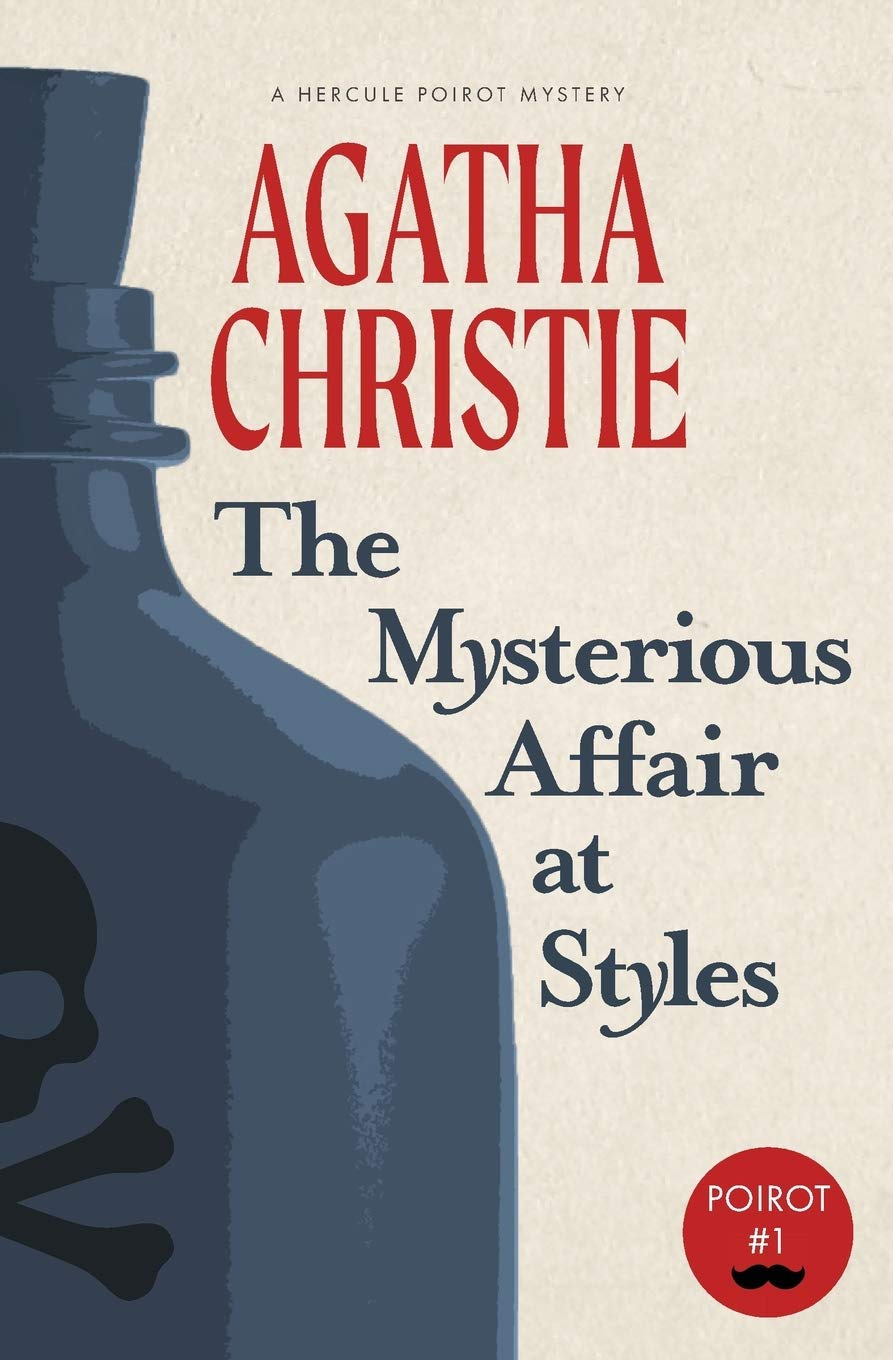
The Mysterious Affair at Styles
By Agatha Christie
The Mysterious Affair at Styles may seem an odd choice, but it was one that was inspired after my reading of The Mysterious Case of the Victorian Female Detective. The Mysterious Affair at Styles is the first of the Hercule Poirot murder mystery novels written by Agatha Christie. Published in 1920, it most certainly wasn’t written in, or published, during the Victorian period. Nor is Hercule Poirot a female detective. But, while reading The Mysterious Case of a Victorian Female Detective, I was reminded of the enjoyment I found in reading Christie’s Murder on the Orient Express when I was a teenager. It was very different to my usual reads but I found it a quick, easy read.
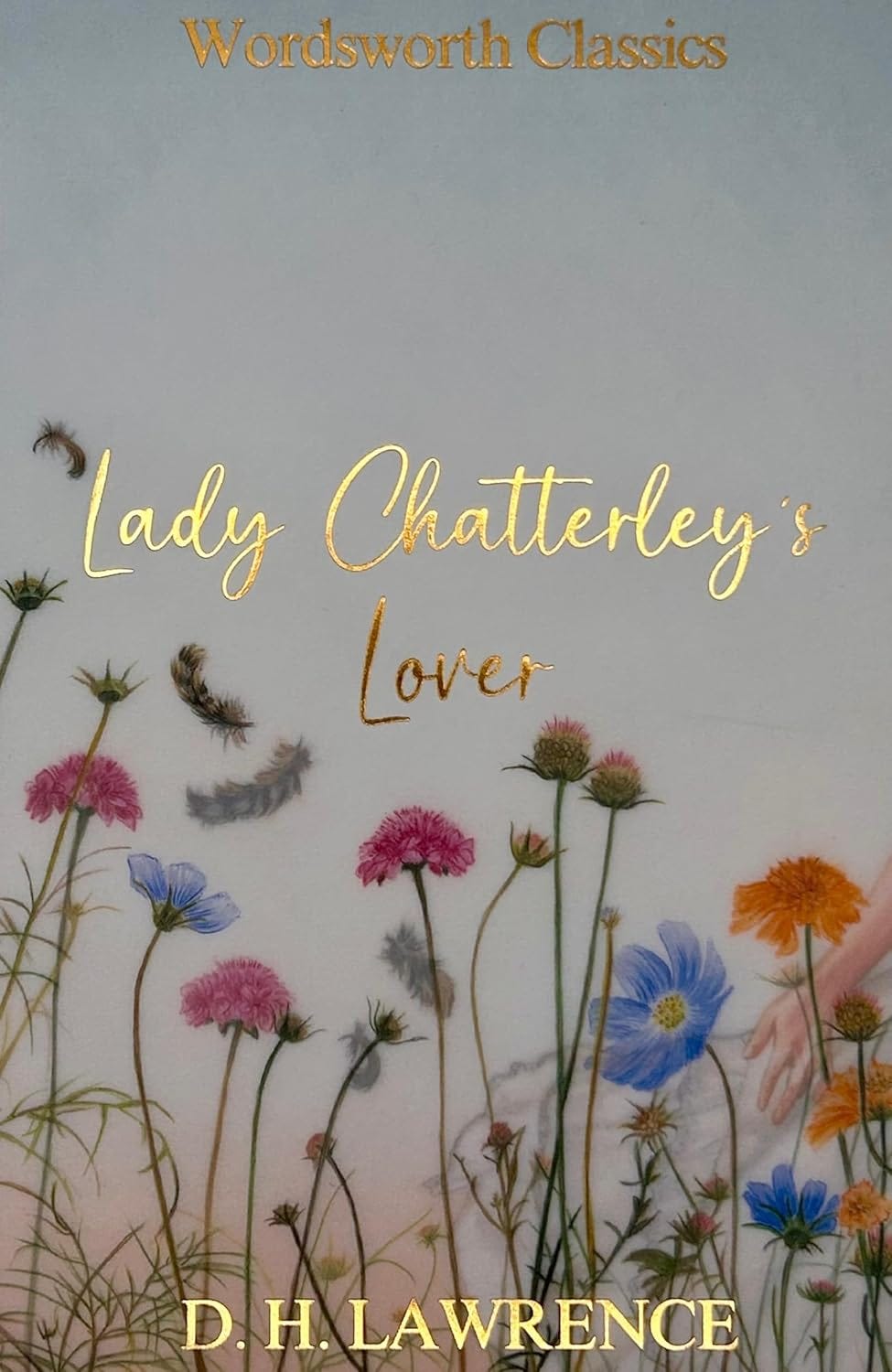
Lady Chatterley’s Lover
By D. H. LawrenceIn recent years, I have been making a concerted effort to read more classic literature. This month, I settled on Lady Chatterley’s Lover. In this novel, Lady Chatterley ends up in a deep emotional and sexual relationship with her husband’s groundskeeper. I enjoyed seeing the characters develop and their relationship build. What I found shocking, was the inclusion of quite explicit descriptions. Lady Chatterley’s Lover was published in 1928, at a time when such things were not spoken about, let alone written about in such a manner. Furthermore, class systems were still prominent, so the idea of an upper class woman having an affair with a working class man was utterly scandalous. So, what I find quite astonishing is the fact that such a novel was written at this time.
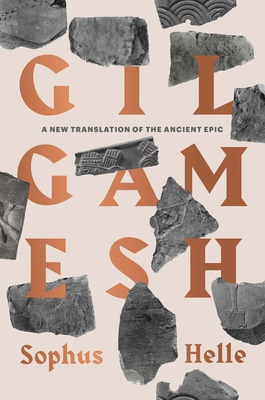
Gilgamesh: A New Translation of the Ancient Epic
By Sophus Helle
I became interested in the epic of Gilgamesh after reading Elif Shafak’s most recent novel, There are Rivers in the Sky. Shafak’s novel centres around the epic tale and the ancient writing system of Cuneiform. The latest edition of Gilgamesh by Sophus Helle offers a new translation as well as a number of essays to take readers deeper into the epic. I really enjoyed Helle’s translation, and the fact that it highlighted the amount of missing text from the epic. There is something very surreal about reading a story that dates back more than 4,000 years!
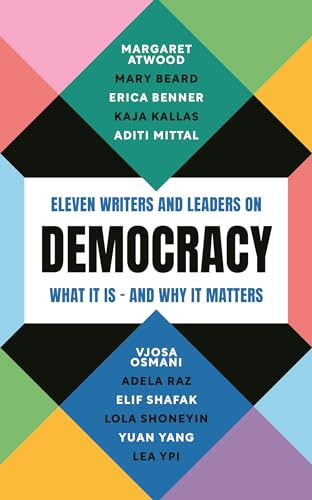
Democracy: Eleven Writers and Leaders on What It Is - and Why It Matters
This very short book explores the topic of democracy. It includes essays and short pieces that explore the topic from a range of authors including novelist Elif Shafak and historian, Mary Beard. I didn’t enjoy this one as much as I thought I would.
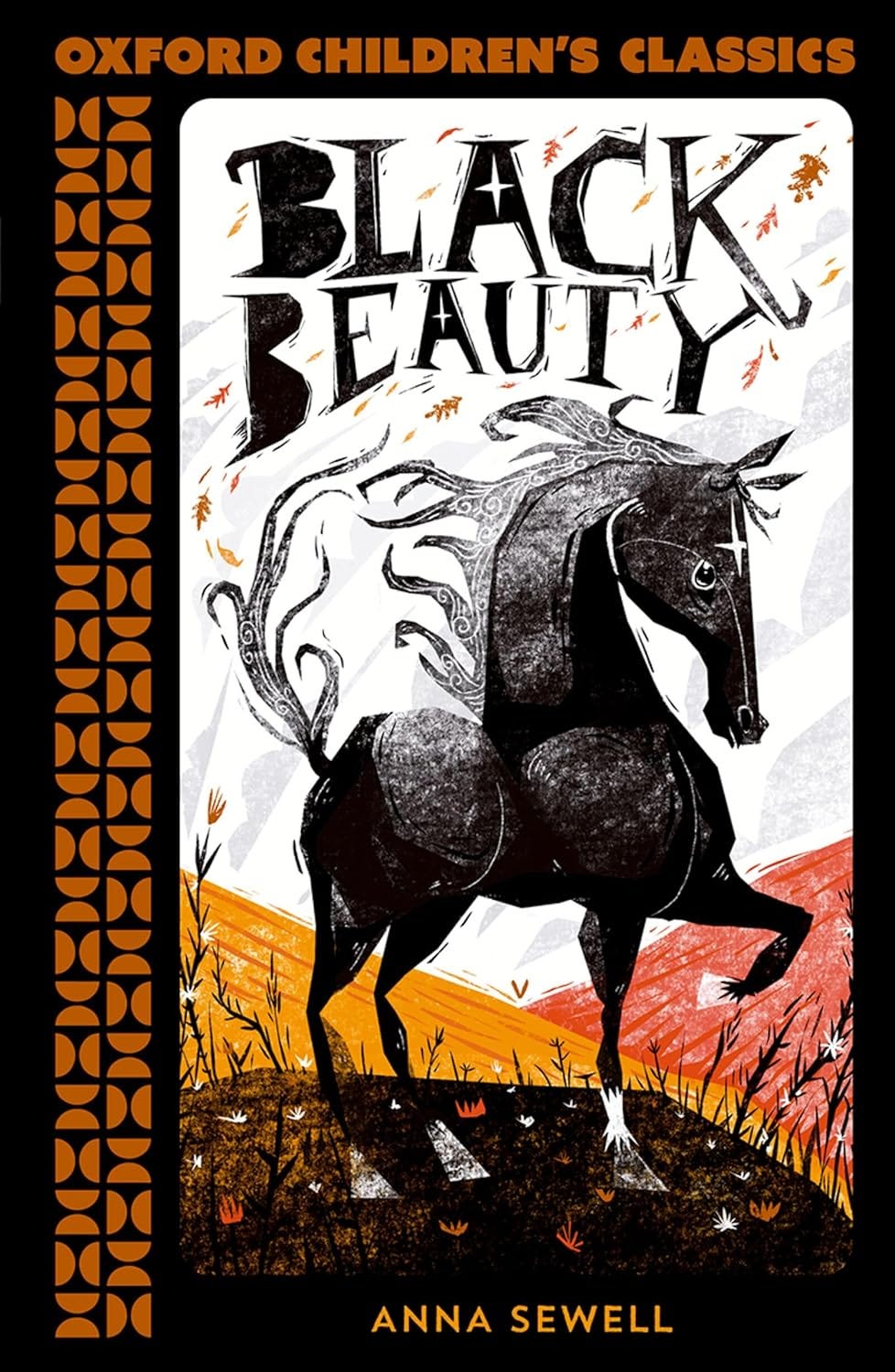
Black Beauty
By Anna Sewell
Black Beauty was our latest family read aloud book. First published in 1877, Black Beauty tells the story of a horse’s life from the point of view of the horse. As a former zoo keeper, I mostly enjoyed it. When I first started zoo-keeping in the early 2000s, the industry was very much against anthropomorphism (the application of human emotions to those that aren’t human). But, just as I was finishing up in the industry, there appeared to be a shift in this approach - with a general move to acknowledging the benefits of it. Because Black Beauty is being told from the horse’s point of view, it is filled with anthropomorphism. This strategy helps to build empathy for Black Beauty, and working animals in general. Readers journey through Black Beauty’s early years, his tough working years, and his senior years. Set during the Victorian era - a period of peak industrialism when animals were critical to society - Black Beauty offers insight into the lives of working horses. Black Beauty is a children’s classic, but interestingly didn’t engage my children. So, this month’s read aloud was essentially the opposite of our previous read (Wind in the Willows) - one that I enjoyed and they didn’t.
I would love to know what you have been reading? Do you have any recommendations for fellow readers?
If you enjoyed this post please consider subscribing so that you can receive these articles directly to your inbox.
If you enjoyed this post, here are some of my previous book posts that you might enjoy:
So, you want to read more about the Tudors?
January Reading Round-up: Five Books that I Enjoyed Throughout January
Alternatively, here are some of my top research posts that you may be interested in:
Tracing the Letter from Thomas Boleyn to Margaret of Austria
Anne Boleyn: The Identities of the 18 Filles d’Honneur